3. Chapel of San Paterno

Video guide


3. Chapel of
San Paterno
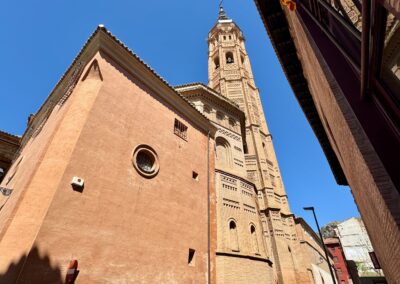
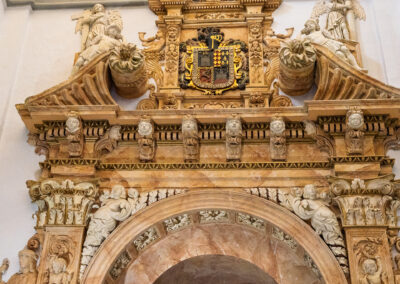
The Chapel of San Paterno has a rich history dating back to the conquest of the city by Alfonso I the Battler in 1120. After the restoration of the episcopal seats from the Visigothic period, Calatayud became the head of an archdeaconry dependent first on Zaragoza, then on Sigüenza and, from 1139, on Tarazona. Calatayud’s aspiration to become an episcopal see led to attempts to prove that the evangelisation of Bilbilis took place before that of Tarazona, carried out by Saint Prudentius and Saint Gaudius in the 6th century. The story of Saint Paterno appears for the first time in a text from the middle of the 17th century, coinciding with a new attempt to convert Calatayud into an episcopal see. It was stated that Saint Paterno preached Christianity in Bilbilis around the year 138, and a chapel was built in his honour, financed by the sale of the bequest of Bishop Bardají, whose coat of arms appears inside the chapel. On the frontispiece, similar to that of the White Virgin, are the arms of the Zapata family, who used the chapel as a family vault.
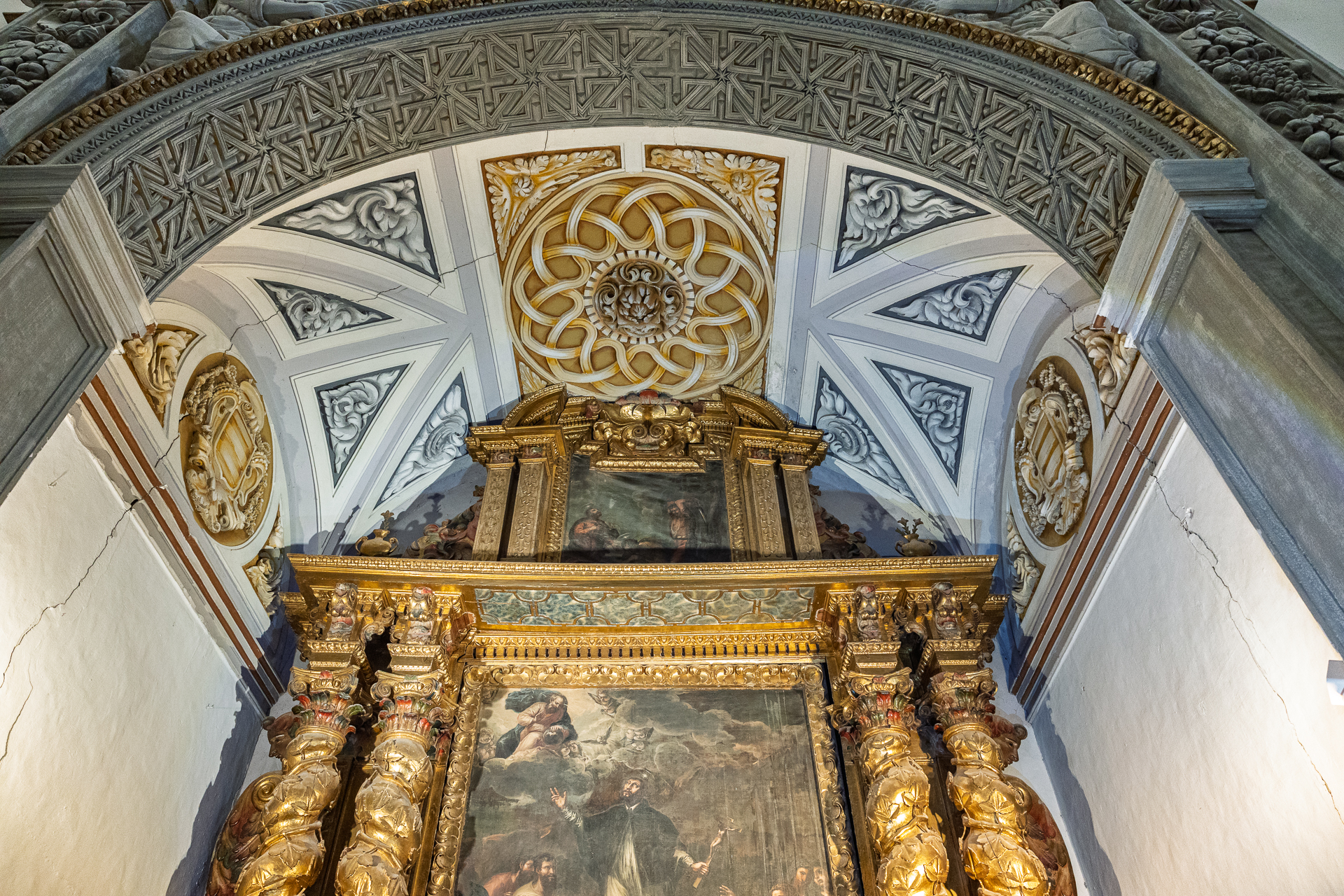
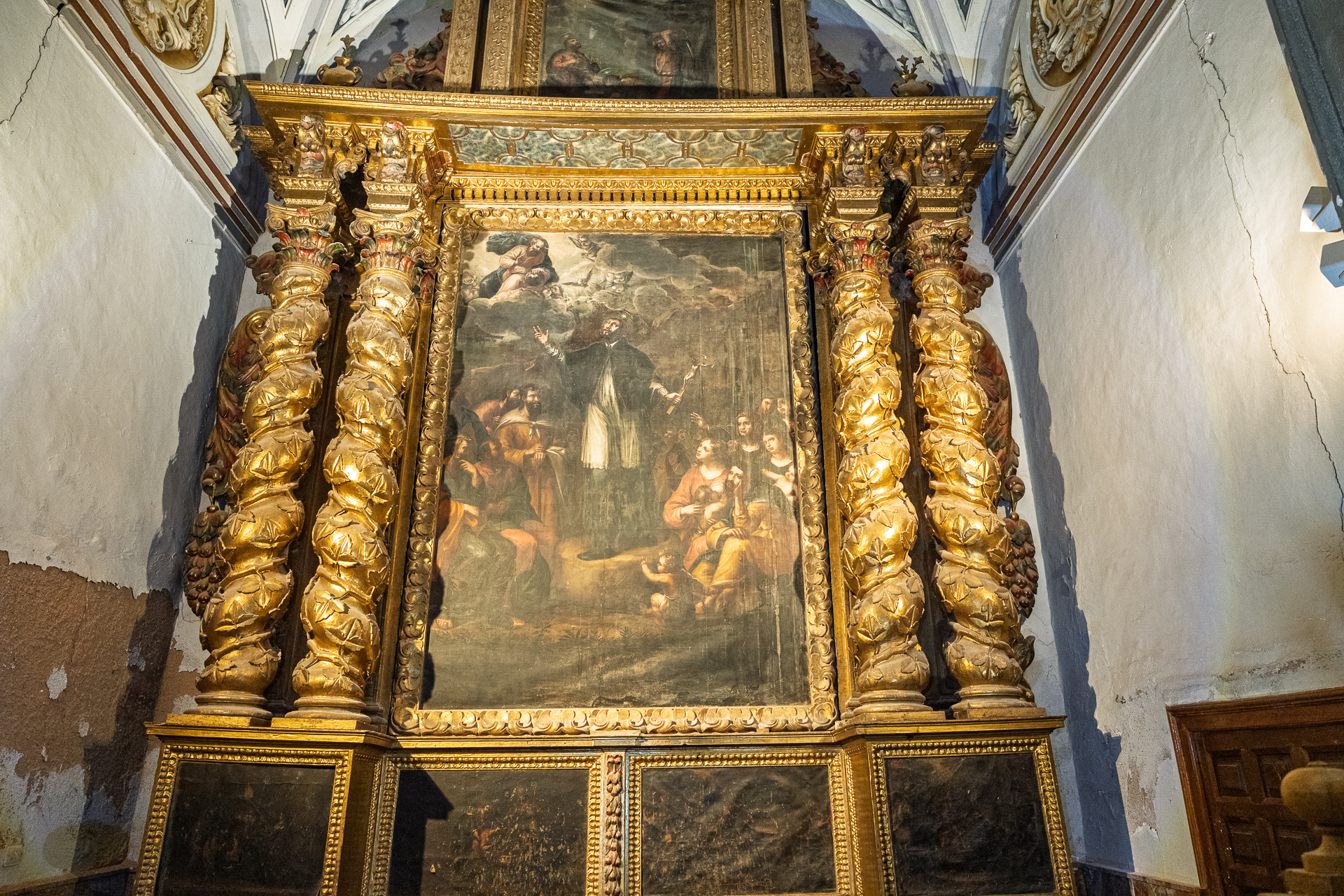
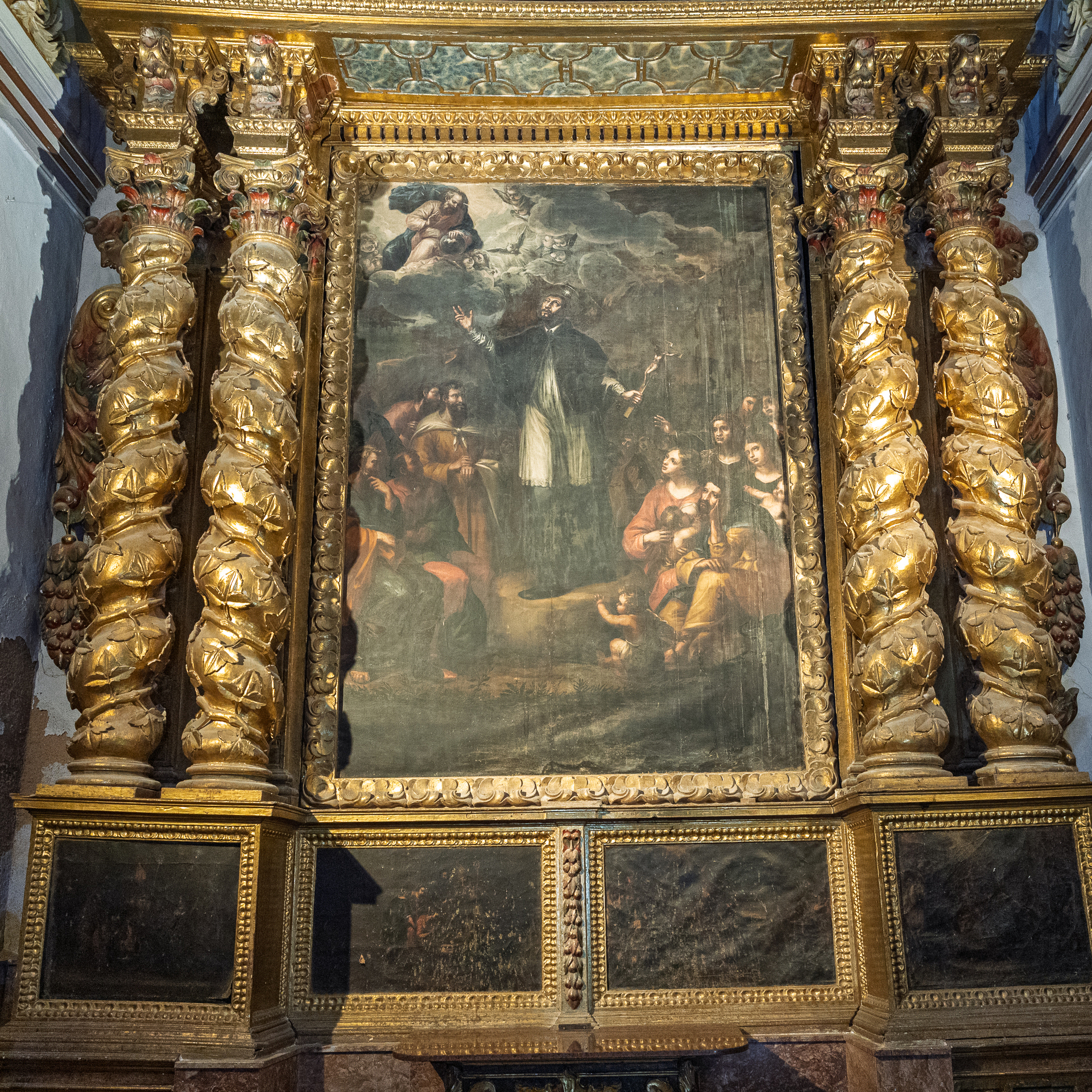
The chapel’s altarpiece, made of gilded wood, has a canvas with the image of Saint Paterno in its central body, framed by two pairs of Solomonic columns. As the iconographic model of the saint from Calatayud was unknown, the model of Saint Francis Xavier was imitated, representing Saint Paterno dressed in a cassock, robe and moustache. With his gaze raised towards heaven, where God the Father contemplates the scene, Saint Paterno opens his arms in an attitude of receiving divine grace, holding a crucifix in his left hand, while the people of Calatayud listen attentively to his words. On the bench of the altarpiece, four canvases show episodes from the life and martyrdom of Saint Paterno, and the attic depicts his decapitation.
The chapel also houses the processional image of Saint Íñigo, abbot of Oña and patron saint of the town, venerated since 1148. Although his cult grew exponentially in the 17th century and he is depicted in several places in the Collegiate Church as a bearded old man with a Benedictine crosier and habit, this processional image shows him as a hairless and much younger man. The Chapel of Saint Paterno is a testimony to the rich history and religious tradition of Calatayud, reflecting the importance of its sacred figures and the evolution of its devotion over the centuries.